WHAT HAPPENS WHEN SOMETHING GOES WRONG
Ladakh riding puts you two days from a hospital on some segments, at altitudes where a mild headache and the start of something serious look identical. This page is what we carry, what we do, and — the part most operators leave out — what we cannot do for you.
WHAT WE DO NOT PROVIDE
This is at the top of the page rather than buried at the bottom, because a rider who assumes any of it is the one the assumption hurts.
- Evacuation from every route we run is by road to Leh. That is the plan, it is the only plan, and it is why the acclimatisation schedule below is not negotiable — on most of our segments the fastest route to real care is measured in hours of driving.
- No insurance of any kind. You must carry a policy that explicitly covers motorcycling above 4,000 m and emergency medical repatriation. We check that you have one; we do not provide it.
- No doctor travels with the group. Our crew are trained in wilderness first response and altitude recognition, not medicine.
- No guaranteed access to any pass. Army closure, landslide and weather outrank the itinerary, and no refund is due for a pass that closes.
- Gloves are not included in the riding gear. Helmet, jacket and knee guards are. Bring gloves that fit you.
IN THE SUPPORT VEHICLE, EVERY DEPARTURE
- Medical oxygen cylinder with mask and regulator
- Pulse oximeter — SpO₂ and heart rate checked daily at altitude
- First-aid kit, including altitude medication carried for the group
- Spare parts, tools and a fuel reserve for the whole convoy
- Spare tubes and tyres for every bike model on the departure
- Luggage, so no rider carries weight over a pass
BEFORE THE BIKE LEAVES THE WORKSHOP
- A 30-point mechanical check at our Karzu Rd workshop before every departure — brakes, tyres, chain, clutch, cables, bearings, lights and fluid levels.
- Carburettor and EFI tuning for altitude. An engine jetted for sea level loses power above 4,500 m and runs hot on the climbs.
- Tyres replaced on wear, not on a schedule. The Shyok river route and the Gata Loops are where a marginal tyre becomes a problem.
- Every bike LA-02 commercially registered — the plate class required for the internal Ladakh circuits. A non-LA-02 rental is turned back at the checkposts regardless of the rider.
THE ACCLIMATISATION PROTOCOL
Acute Mountain Sickness is the single most likely thing to end your trip early, and it is mostly preventable by schedule rather than by equipment. These are rules we hold the group to, not suggestions.
Leh sits at 3,524 m. Every itinerary that starts here keeps day 1 as rest and day 2 as a short low-effort loop while permits are processed. This is not padding, and we will not compress it on request.
Dehydration at altitude is the most common avoidable cause of a rider needing to turn back. The support vehicle carries water for the group.
And none at all on the nights before Khardung La, Chang La or a 5,000 m camp.
Taken by the road captain each morning and evening. A reading that keeps falling is how a problem is caught before the rider notices it.
We do not prescribe, and we do not hand it out on the assumption it suits you. Discuss it before you fly.
Suspected HAPE or HACE means immediate descent, that day, by road, without debate. A cancelled pass is not a reason to continue and no refund argument changes this.
LANDSLIDES, CLOSURES AND TURNING BACK
Every road on every one of our routes is single-carriageway mountain road maintained by the Border Roads Organisation, and any of them can shut with no notice. Snowmelt takes out a culvert, a slope lets go after rain, or the army closes a border sector for a movement. None of that is unusual — planning for it is what separates a local operator from a brand that booked one.
- We check pass and road status with BRO and local contacts the evening before and the morning of every riding day. That is the advantage of being based in Leh rather than briefed from abroad.
- If a road closes ahead of us, the group waits where it is safe to wait, or turns back to the last town with beds. The support vehicle carries the luggage either way, so nobody is stranded with a loaded bike.
- If a pass will not open in the window we have, we re-route. The tour leader decides this on the ground, not a schedule written in advance.
- No refund is due for a destination made inaccessible by army closure, weather or border tension — that is in our terms and it is the standard position for every operator in Ladakh. What we will do is put the riding day somewhere else.
- Mobile coverage is absent across most of Changthang and the Shyok route. The convoy stays together for that reason, and the support vehicle is the last vehicle on the road each day.
NEAREST MEDICAL FACILITIES, BY ROUTE SEGMENT
We are confirming each facility and each realistic road time with our crew before publishing this segment by segment, because a travel time that is wrong by two hours is worse than none at all. What holds everywhere in the meantime: SNM Hospital in Leh is the only facility in Ladakh with sustained high-altitude critical care, and on every route we run, the plan for anything serious is descent toward Leh by road. Ask us about a specific segment before you book and we will tell you exactly what is on it.
WHO IS ACTUALLY WITH YOU ON THE ROAD
Every guided departure runs with a road captain at the front, a mechanic in the convoy and the support vehicle at the back. Not a subcontracted crew hired for the week.
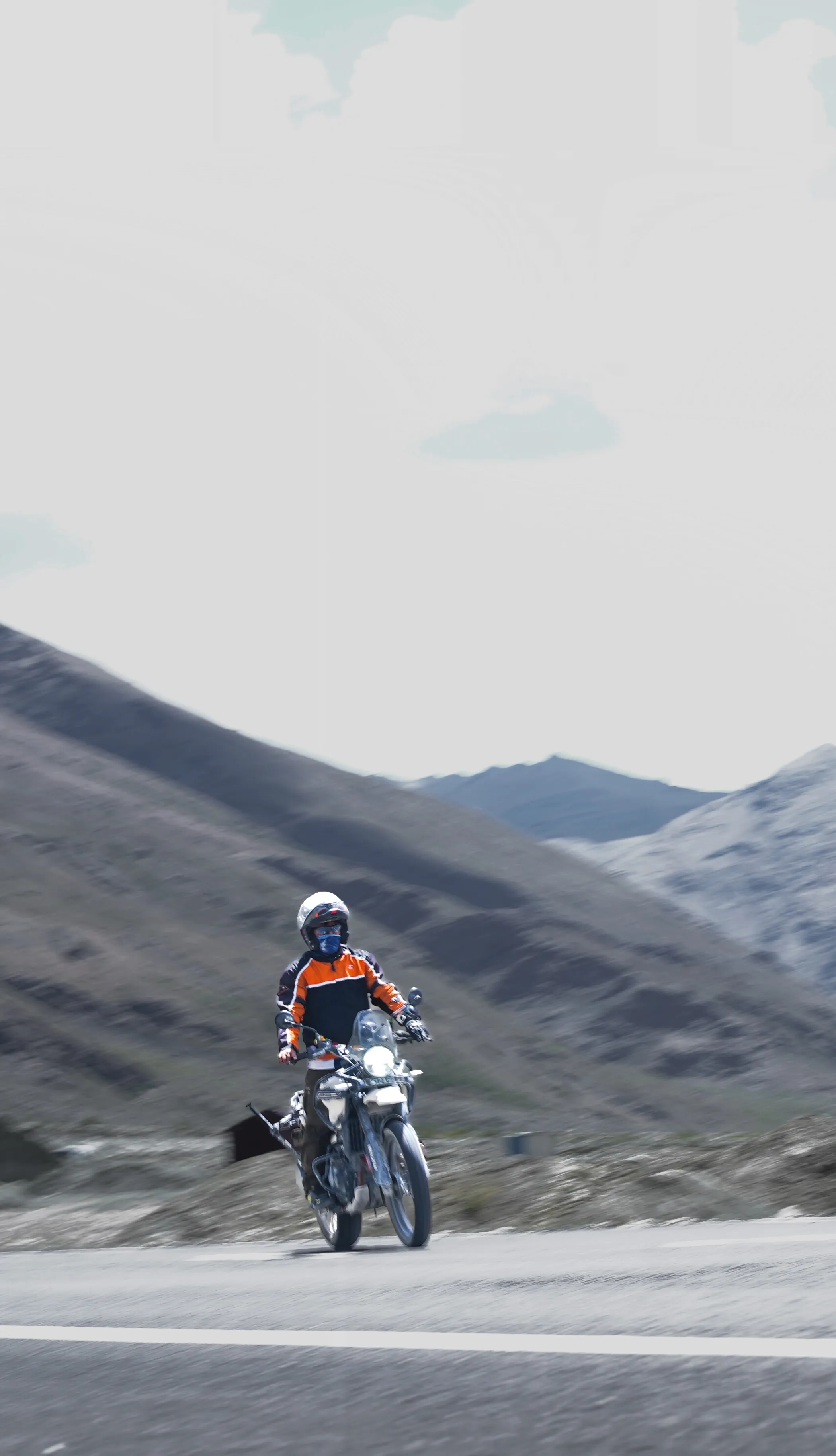
Stanzin Gyatso
Founder & head expedition marshal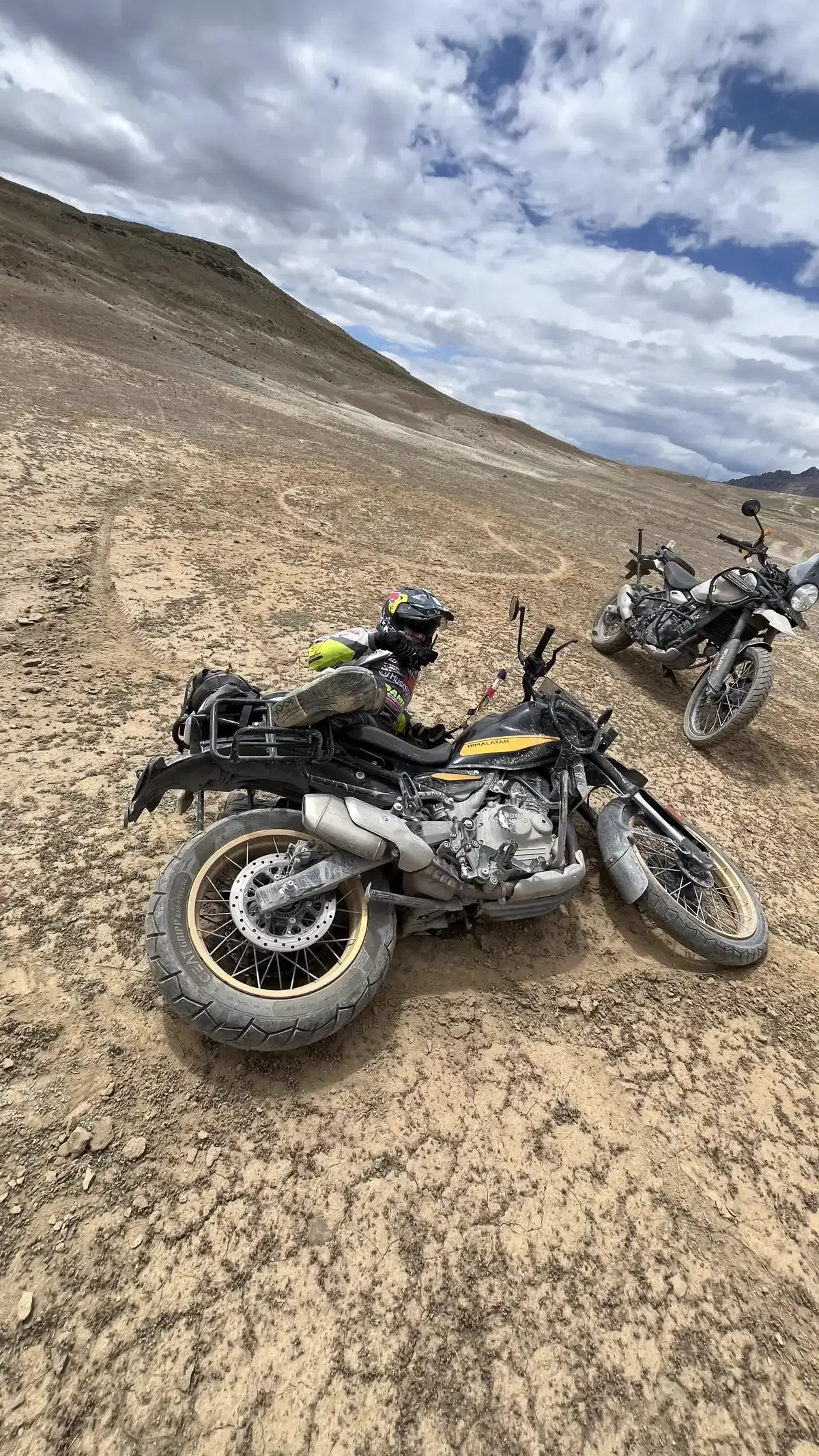
Rigzin Namgail
Chief Royal Enfield master mechanic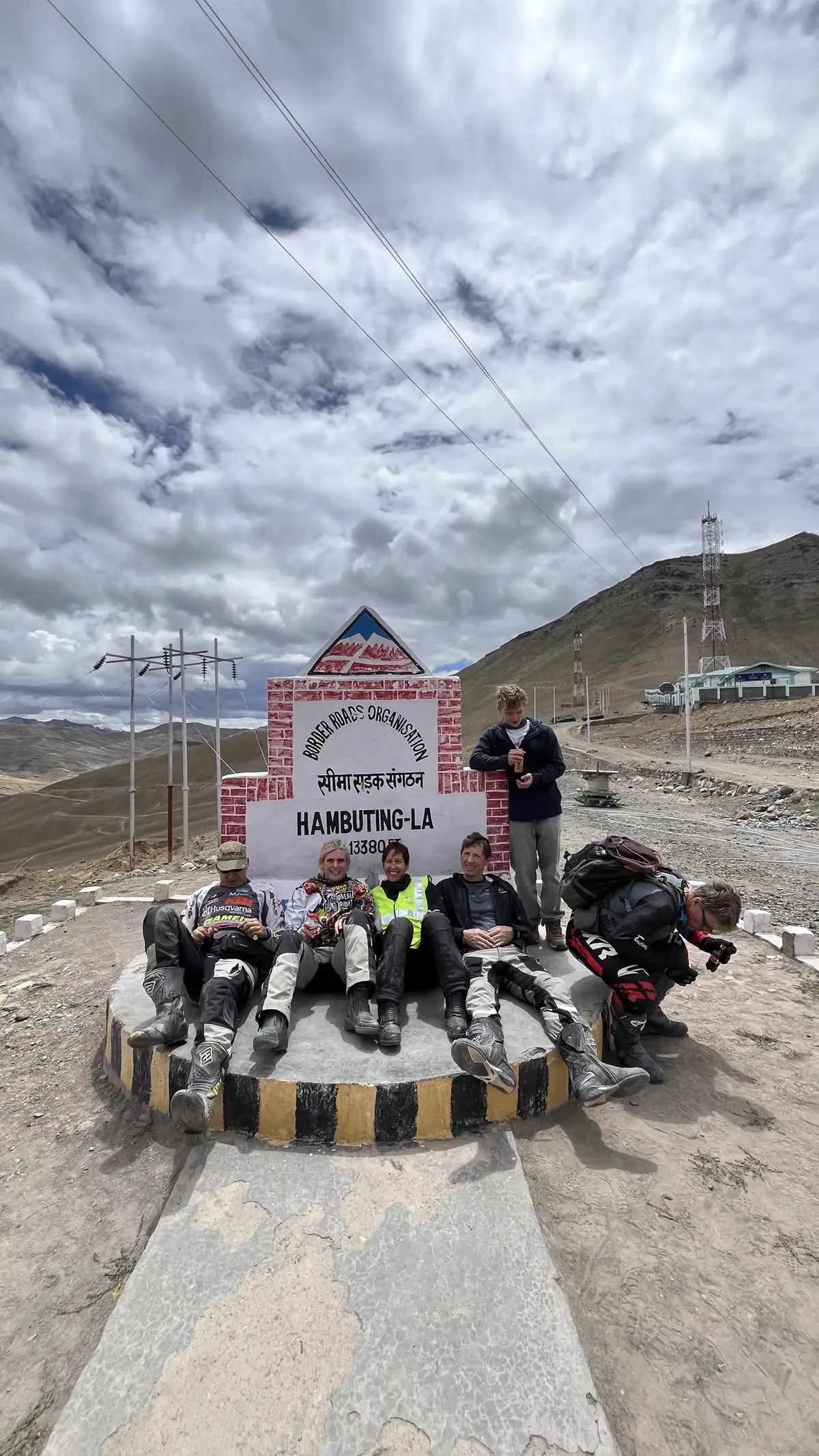
Thinlas
Road captain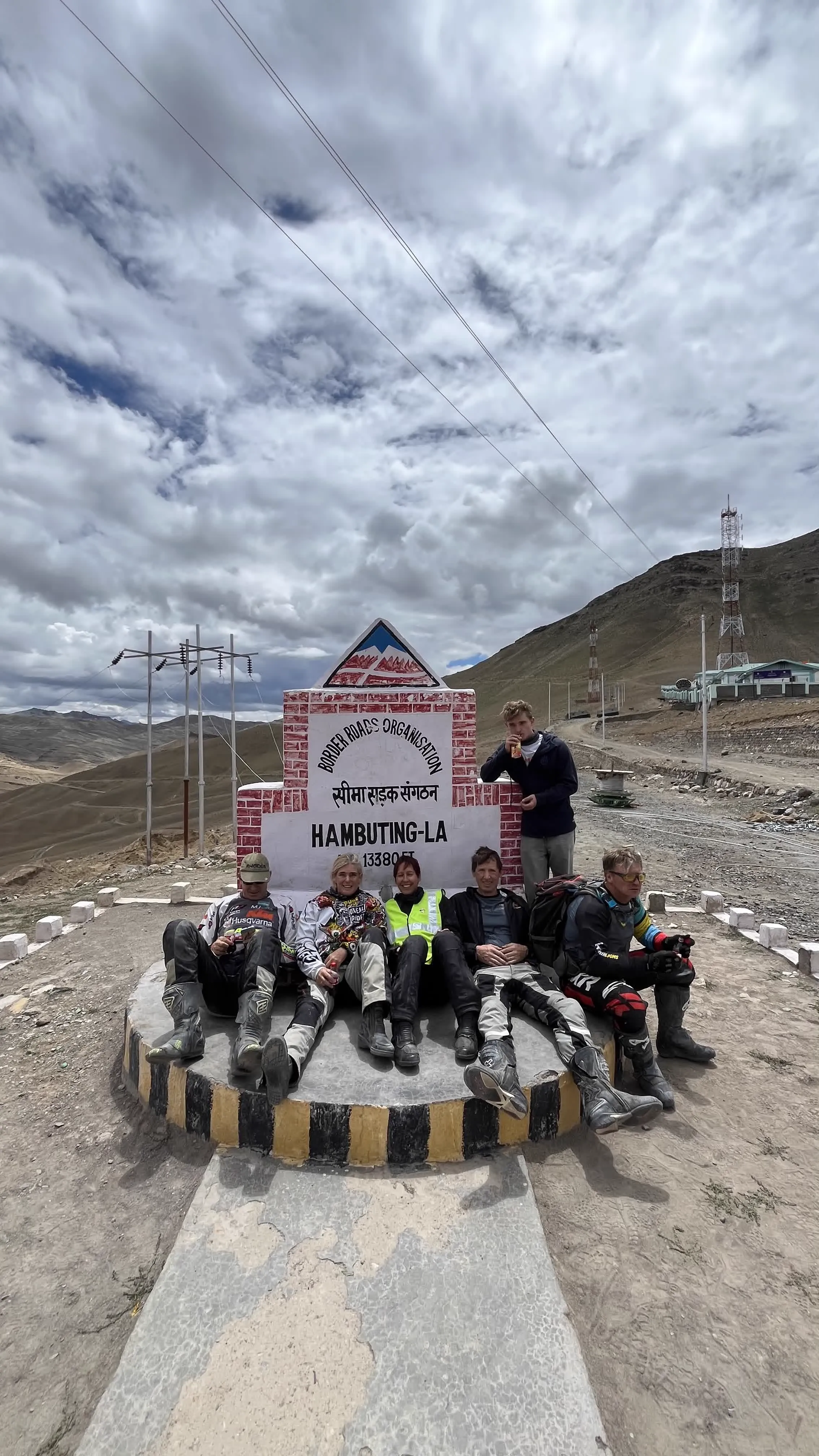
Singay
Support vehicle driver
Tashi Dorjey
Acclimatization & safety logistics leadASK US THE AWKWARD QUESTION FIRST
If you have a heart or lung condition, are on medication, or have had altitude problems before, tell us before you book rather than on day two. It changes what we recommend and occasionally it changes our answer.